
You don't need an excuse to have beautiful nails. Step outside without worrying about the appearance of your feet.
You don't need an excuse to have beautiful nails. Step outside without worrying about the appearance of your feet.
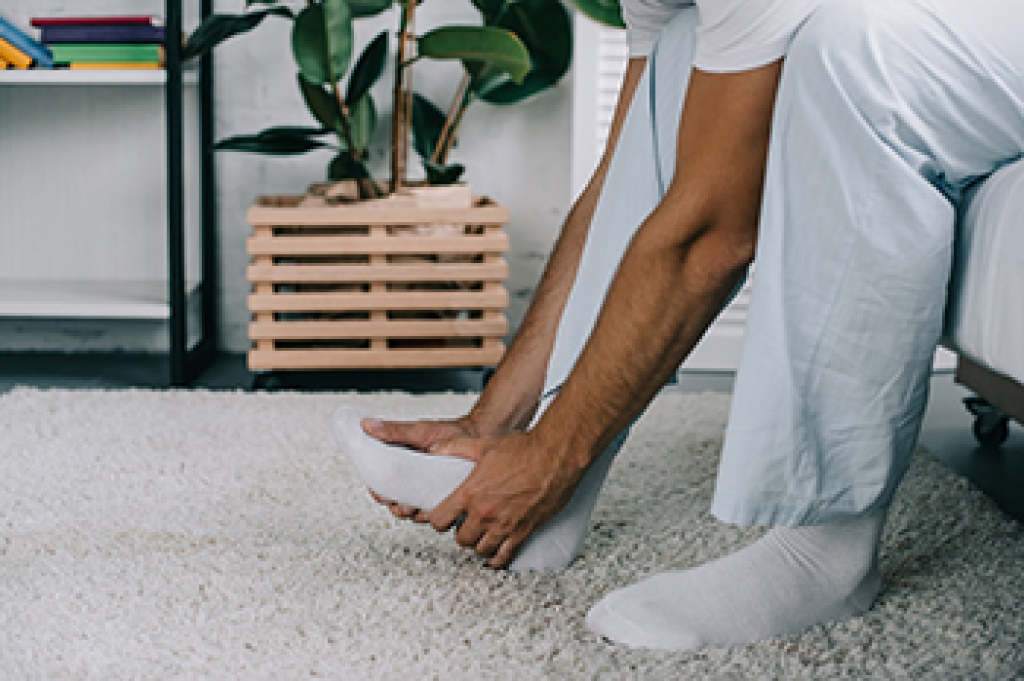
Foot pain from wearing the wrong shoes make everyday activities uncomfortable and leave your feet aching long after you get home. Wearing poorly fitting shoes places excess pressure on the toes, arches, and heels, contributing to blisters, bunions, and plantar fasciitis. Symptoms may include soreness while walking, burning sensations, or pain that worsens after standing for long periods. People who work on their feet, exercise regularly, or wear restrictive footwear for fashion may face greater risks. Choosing shoes that match your foot shape and daily activities help reduce strain and protect your long-term foot health.
The surfaces you walk on also influence foot comfort. Spending hours on hard floors can increase pressure on the heels and forefoot, especially when shoes lack adequate cushioning. Supportive lace-up boots may ease sore feet by securing the ankle and helping stabilize the foot, provided they fit correctly. High heels shift body weight forward, placing extra stress on the toes and ball of the foot. Wearing them frequently contributes to discomfort and structural problems. Alternating between different comfortable shoes can also vary pressure points and give footwear time to air out between uses.
Choosing the right shoes for sports is equally important because each activity places different demands on your feet. Running shoes should provide appropriate cushioning and fit, while court sports may require better side-to-side stability. Hiking footwear should offer traction and support suited to the terrain. Always check that your toes have enough room and your heel feels secure without slipping. Replace worn-out shoes when cushioning or tread deteriorates, since damaged footwear may increase discomfort and affect stability.
A podiatrist examines your feet, assesses your walking pattern, and identifies conditions that contribute to pain. Treatment may include footwear recommendations, custom orthotics, or care for existing injuries. If you have foot pain from wearing the wrong shoes, it is suggested that you consult a podiatrist for an accurate diagnosis and appropriate treatment.
Foot Pain
Foot pain can be extremely painful and debilitating. If you have a foot pain, consult with one of our podiatrists from Bruening Foot & Ankle. Our doctors will assess your condition and provide you with quality foot and ankle treatment.
Causes
Foot pain is a very broad condition that could be caused by one or more ailments. The most common include:
Diagnosis
To figure out the cause of foot pain, podiatrists utilize several different methods. This can range from simple visual inspections and sensation tests to X-rays and MRI scans. Prior medical history, family medical history, and any recent physical traumatic events will all be taken into consideration for a proper diagnosis.
Treatment
Treatment depends upon the cause of the foot pain. Whether it is resting, staying off the foot, or having surgery; podiatrists have a number of treatment options available for foot pain.
If you have any questions, please feel free to contact our offices located in Covina and Alta Loma, CA . We offer the newest diagnostic and treatment technologies for all your foot care needs.
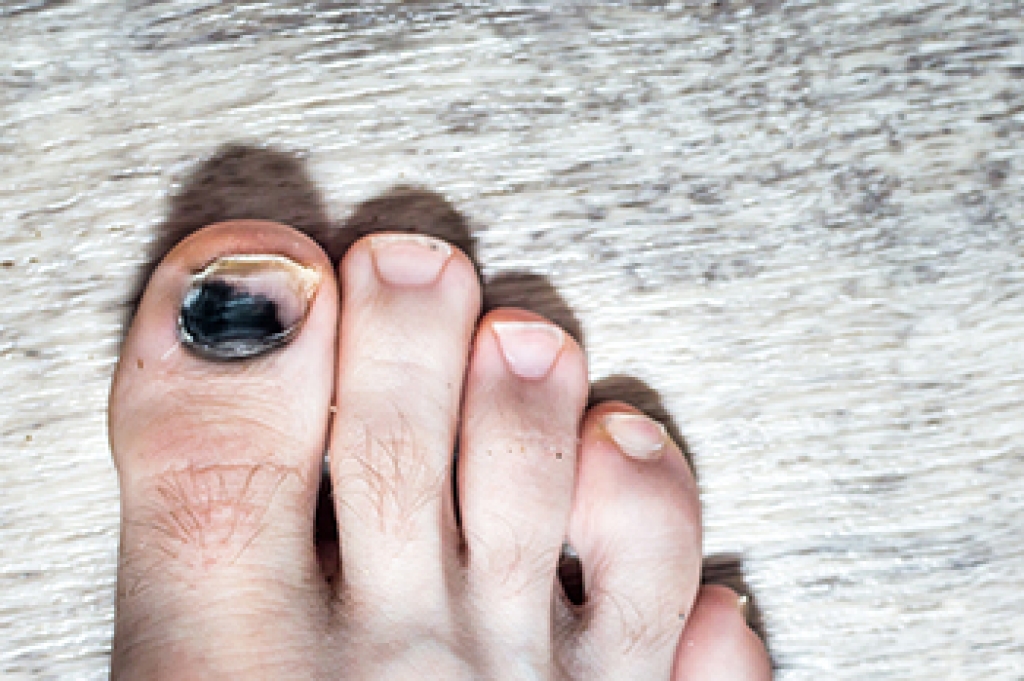
A bruised toenail, also called a subungual hematoma, develops when blood collects beneath the nail after the nail bed is injured. This commonly happens when a toe is hit, crushed, or repeatedly pressed inside a shoe. Pressure can damage tiny blood vessels beneath the nail, causing blood to become trapped under the nail plate. A bruised toenail may look concerning, but many cases improve as the nail grows out.
Discoloration is one of the most noticeable symptoms. The nail may turn red, dark brown, or nearly black as blood collects underneath it. Throbbing pain can occur soon after an injury, especially when pressure builds beneath the nail. The toe may also feel tender when touched or when wearing shoes. In some cases, the nail loosens as the injury heals. Severe pain, increasing swelling, or drainage may signal a more serious injury or infection.
Direct injury is a common cause of a bruised toenail. Dropping something on the toe, stubbing it, or having the toe caught in an accident can cause bleeding beneath the nail. Repeated pressure can also create a bruise, especially when shoes are too tight or toes repeatedly strike the front of footwear during running. Activities that place repeated stress on the feet can increase risk.
A podiatrist will examine the toe and nail to determine whether the discoloration is from an injury or another condition. X-rays may be recommended when a fracture is suspected. If blood has created significant pressure and pain, the podiatrist may drain the trapped blood to relieve discomfort. The toe may then be properly protected while the nail grows out. More serious injuries may require additional treatment and follow-up care. If you have a bruised toenail, it is suggested that you consult a podiatrist for effective relief and treatment solutions.
Toe pain can disrupt your daily activities. If you have any concerns, contact one of our podiatrists of Bruening Foot & Ankle. Our doctors can provide the care you need to keep you pain-free and on your feet.
What Causes Toe Pain?
Most severe toe pain is caused due to a sports injury, trauma from dropping something heavy on the toe, or bumping into something rigid. Other problems can develop over time for various reasons.
Toe pain can be caused by one or more ailments. The most common include:
When to See a Podiatrist
Diagnosis
In many cases the cause of toe pain is obvious, but in others, a podiatrist may want to use more advanced methods to determine the problem. These can range from simple visual inspections and sensation tests to X-rays and MRI scans. Prior medical history, family medical history, and any recent physical traumatic events will all be taken into consideration for a proper diagnosis.
Treatment
Treatments for toe pain and injuries vary and may include shoe inserts, padding, taping, medicines, injections, and in some cases, surgery. If you believe that you have broken a toe, please see a podiatrist as soon as possible.
If you have any questions please contact our offices located in Covina and Alta Loma, CA . We offer the newest diagnostic and treatment technologies for all your foot and ankle needs.
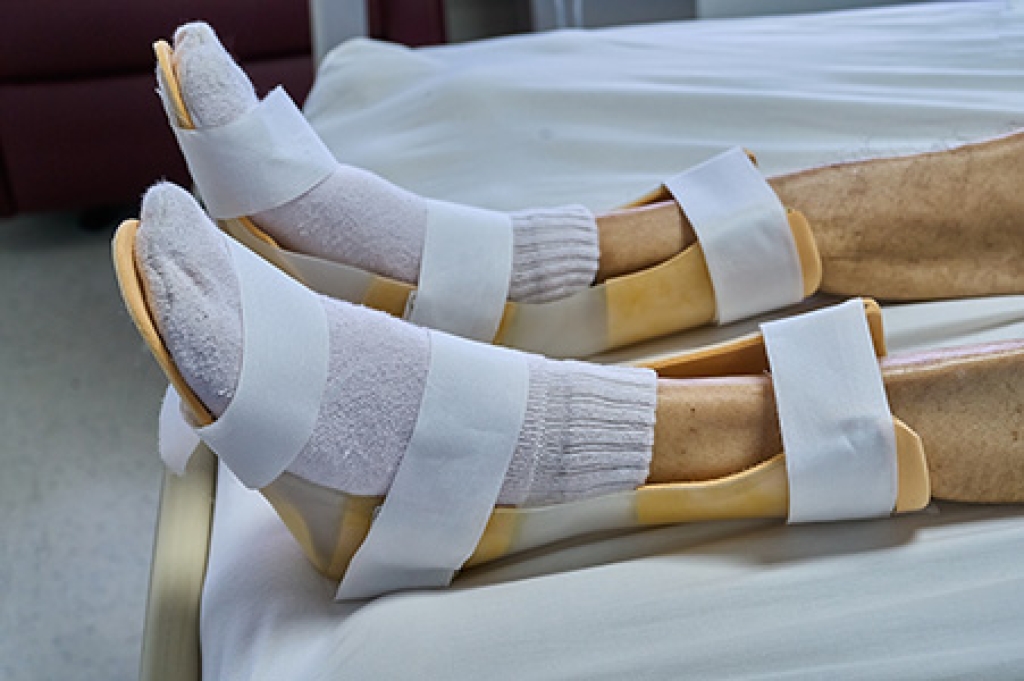
Night splints can reduce morning heel pain caused by plantar fasciitis or a tight Achilles tendon. While a person sleeps, the feet usually point downward. This position allows the plantar fascia, a strong band along the bottom of the foot, and the calf muscles to shorten. When the person stands, these tissues stretch suddenly and can hurt. A night splint holds the foot at a gentle upward angle, keeping these areas stretched through the night. This can make the first steps of the day less painful.
The effectiveness of a night splint depends on the cause of pain and consistent use. Research suggests that splints help some patients with plantar fasciitis, especially when symptoms have lasted several months. However, they do not provide the same relief for everyone. Comfort also affects success. A splint that feels bulky, hot, or too tight can disturb sleep and be difficult to use regularly. Designs include rigid boots, softer braces, and straps that pull the toes upward. A podiatrist can recommend a suitable style and check that it holds the foot correctly without placing too much pressure on the skin.
A night splint works best as one part of a treatment plan. A podiatrist can examine the foot, identify the source of pain, and determine whether a splint is appropriate. Treatment also includes custom orthotics, wearing supportive shoes, or activity changes. The podiatrist can adjust the splint angle and explain how long it should be used each night. Numbness, worsening pain, or skin irritation should not be ignored. People with diabetes, poor circulation, or a reduced feeling in their feet need professional guidance before using one. Night splints require patience and consistent use, but they can offer meaningful relief for selected patients. If you have foot pain, it is suggested that you schedule an appointment with a podiatrist who can determine if night splints are right for you.
Many people suffer from bouts of heel pain. For more information, contact one of our podiatrists of Bruening Foot & Ankle. Our doctors can provide the care you need to keep you pain-free and on your feet.
Causes of Heel Pain
Heel pain is often associated with plantar fasciitis. The plantar fascia is a band of tissues that extends along the bottom of the foot. A rip or tear in this ligament can cause inflammation of the tissue.
Achilles tendonitis is another cause of heel pain. Inflammation of the Achilles tendon will cause pain from fractures and muscle tearing. Lack of flexibility is also another symptom.
Heel spurs are another cause of pain. When the tissues of the plantar fascia undergo a great deal of stress, it can lead to ligament separation from the heel bone, causing heel spurs.
Why Might Heel Pain Occur?
Treatments
Heel pain should be treated as soon as possible for immediate results. Keeping your feet in a stress-free environment will help. If you suffer from Achilles tendonitis or plantar fasciitis, applying ice will reduce the swelling. Stretching before an exercise like running will help the muscles. Using all these tips will help make heel pain a condition of the past.
If you have any questions, please feel free to contact our offices located in Covina and Alta Loma, CA . We offer the newest diagnostic and treatment technologies for all your foot care needs.

Rain or shine, snow or sleet, Custom Orthotics have your feet covered! As the seasons change, ensure your steps remain comfortable and supported. Custom Orthotics adapt to your footwear, from summer sandals to winter boots, providing consistent relief and alignment. Don't let the changing weather dictate your foot comfort. Step confidently year-round and experience the difference with Custom Orthotics. Call today for more information.
