Items filtered by date: April 2025
Why Does The Bottom of My Foot Hurt?
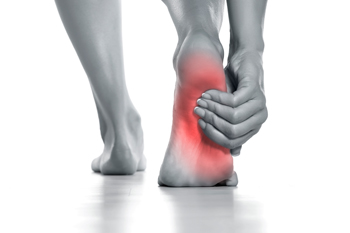
Pain in the bottom of the foot, especially sharp pain or a burning sensation, can be caused by several conditions. One common cause is plantar fasciitis, where the tissue along the bottom of the foot becomes inflamed, often leading to sharp pain near the heel. Another potential cause is neuropathy, a condition where nerve damage causes a burning or tingling sensation. Metatarsalgia or inflammation of the ball of the foot can also lead to discomfort, often described as a feeling of standing on a small stone. Symptoms typically include sharp or burning pain in the foot's arch or heel, especially after standing or walking for long periods. The area may feel tender, swollen, or tight. A podiatrist can help diagnose the underlying cause through physical exams, imaging tests, or nerve function tests. Treatment may include rest, stretching exercises, custom orthotics or anti-inflammatory medications. If you are dealing with foot pain, it is suggested that you make an appointment with a podiatrist for care.
Foot Pain
Foot pain can be extremely painful and debilitating. If you have a foot pain, consult with one of our podiatrists from Bruening Foot & Ankle. Our doctors will assess your condition and provide you with quality foot and ankle treatment.
Causes
Foot pain is a very broad condition that could be caused by one or more ailments. The most common include:
- Bunions
- Hammertoes
- Plantar Fasciitis
- Bone Spurs
- Corns
- Tarsal Tunnel Syndrome
- Ingrown Toenails
- Arthritis (such as Gout, Rheumatoid, and Osteoarthritis)
- Flat Feet
- Injury (from stress fractures, broken toe, foot, ankle, Achilles tendon ruptures, and sprains)
- And more
Diagnosis
To figure out the cause of foot pain, podiatrists utilize several different methods. This can range from simple visual inspections and sensation tests to X-rays and MRI scans. Prior medical history, family medical history, and any recent physical traumatic events will all be taken into consideration for a proper diagnosis.
Treatment
Treatment depends upon the cause of the foot pain. Whether it is resting, staying off the foot, or having surgery; podiatrists have a number of treatment options available for foot pain.
If you have any questions, please feel free to contact our offices located in Covina and Alta Loma, CA . We offer the newest diagnostic and treatment technologies for all your foot care needs.
Reduce Flat Feet Discomfort With Custom Orthotics
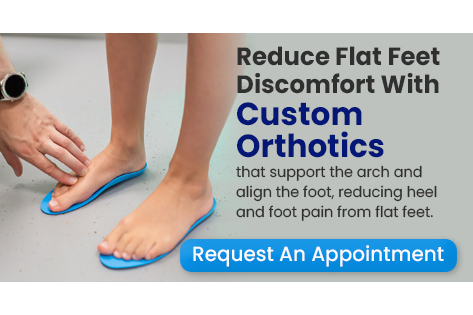
Flat feet? Rise above the discomfort with Custom Orthotics. Specifically designed to support the arch and align the foot, Custom Orthotics can be a game-changer for those with flat feet. They help in distributing weight evenly, preventing undue stress and potential pain. Walk, run, or stand with newfound confidence, knowing your feet have the support they've been missing. Want to explore the benefits of Custom Orthotics tailored for flat feet? Contact us today!
Symptoms and Risk Factors of Gout
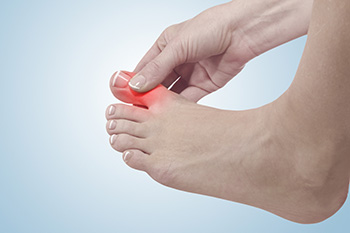
Gout is a form of inflammatory arthritis that results from the buildup of uric acid crystals in the joints. It often causes sudden and severe pain, swelling, redness, and tenderness, and most commonly affects the big toe. The pain may start at night and can be intense enough to wake someone from sleep. Gout is accompanied by severe pain, causing difficulty in completing daily activities. Several factors increase the risk of developing gout. These include a diet high in red meat or seafood, excessive alcohol consumption, obesity, and certain health conditions such as hypertension or kidney disease. Genetics may also play a role. If you have pain in the joints of your feet, particularly the big toe, it is strongly suggested that you are under the care of a podiatrist who can diagnose gout and offer management options.
Gout is a foot condition that requires certain treatment and care. If you are seeking treatment, contact one of our podiatrists from Bruening Foot & Ankle. Our doctors will treat your foot and ankle needs.
What Is Gout?
Gout is a type of arthritis caused by a buildup of uric acid in the bloodstream. It often develops in the foot, especially the big toe area, although it can manifest in other parts of the body as well. Gout can make walking and standing very painful and is especially common in diabetics and the obese.
People typically get gout because of a poor diet. Genetic predisposition is also a factor. The children of parents who have had gout frequently have a chance of developing it themselves.
Gout can easily be identified by redness and inflammation of the big toe and the surrounding areas of the foot. Other symptoms include extreme fatigue, joint pain, and running high fevers. Sometimes corticosteroid drugs can be prescribed to treat gout, but the best way to combat this disease is to get more exercise and eat a better diet.
If you have any questions please feel free to contact our offices located in Covina and Alta Loma, CA . We offer the newest diagnostic and treatment technologies for all your foot and ankle needs.
The Evolution of Foot Orthotics
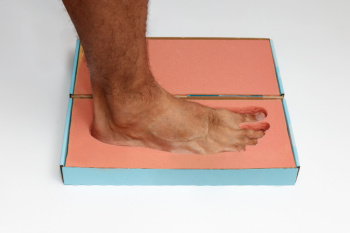
Foot orthotics have evolved significantly over time, transforming from simple padding to advanced biomechanical devices that enhance comfort and support. Early foot orthotics were made from basic materials such as leather and felt, offering minimal customization. As medical understanding of foot mechanics improved, orthotics became more specialized, incorporating molded designs to provide better arch support and pressure distribution. Modern advancements have introduced lightweight and durable materials such as carbon fiber and gel composites, improving shock absorption and flexibility. Technology now allows for custom orthotics designed through digital scanning and 3D printing, ensuring precise fit and function. These innovations have expanded the use of orthotics beyond medical treatment to athletic performance and everyday comfort. If you have foot pain, it is strongly suggested that you consult a podiatrist who can discuss the benefits of orthotics with you.
If you are experiencing discomfort in your feet and would like to try custom orthotics, contact one of our podiatrists from Bruening Foot & Ankle. Our doctors can provide the care you need to keep you pain-free and on your feet.
What Are Custom Orthotics?
Custom orthotics are inserts you can place into your shoes to help with a variety of foot problems such as flat feet or foot pain. Orthotics provide relief and comfort for minor foot and heel pain.
Over-the-Counter Inserts
Shoe inserts come in a wide variety and are used to treat foot pain, heel pain, and minor problems. For example, arch supports can be inserted into your shoes to help correct overarched or flat feet, while gel insoles are often used because they provide comfort and relief from foot and heel pain by alleviating pressure.
Prescription Orthotics
If over-the-counter inserts don’t work for you or if you have a more severe foot concern, it is possible to have your podiatrist prescribe custom orthotics. These high-quality, custom inserts are designed to treat problems such as abnormal motion, plantar fasciitis, and severe forms of heel pain. They can even be used to help patients suffering from diabetes by treating foot ulcers and painful calluses and are usually molded to your feet individually, which allows them to provide full support and comfort.
If you're experiencing minor to severe foot or heel pain, it’s recommended to speak with your podiatrist about the possibility of using custom orthotics or shoe inserts. A podiatrist can determine which type of custom orthotic or shoe insert is right for you and help you take the first steps toward being pain-free.
If you have any questions please contact our offices located in Covina and Alta Loma, CA . We offer the newest diagnostic and treatment technologies for all your foot and ankle needs.
Understanding In-Toeing in Children
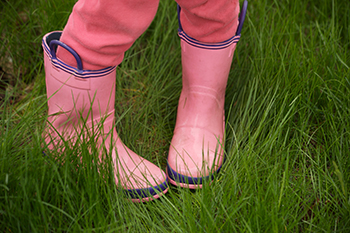
In-toeing, often called pigeon toes, is a common condition where the feet turn inward when walking or running. It frequently appears in young children and, in most cases, corrects itself as they grow. The cause can vary from how the bones in the legs or feet develop to tightness in the hips. While many children with in-toeing have no pain or difficulty, some may trip more often or feel discomfort after activity. Most cases improve naturally without intervention, but there are instances where treatment may be necessary. If in-toeing is severe, causing pain, or not improving over time, a podiatrist can evaluate whether corrective measures such as stretching exercises, braces, or specialized footwear are needed. Addressing concerns early can help ensure proper foot alignment and prevent future issues. If you have concerns about your child’s walking pattern, it is suggested that you see a podiatrist for a proper diagnosis and appropriate treatment.
The health of a child’s feet is vital to their overall well-being. If you have any questions regarding foot health, contact one of our podiatrists of Bruening Foot & Ankle. Our doctors can provide the care you need to keep you pain-free and on your feet.
Tips for Keeping Children's Feet Healthy
- Make sure their shoes fit properly
- Look for any signs of in-toeing or out-toeing
- Check to see if they have Clubfoot (condition that affects your child’s foot and ankle, twisting the heel and toes inward) which is one of the most common nonmajor birth defects.
- Lightly cover your baby’s feet (Tight covers may keep your baby from moving their feet freely, and could prevent normal development)
- Allow your toddler to go shoeless (Shoes can be restricting for a young child’s foot)
- Cut toenails straight across to avoid ingrown toenails
- Keep your child’s foot clean and dry
- Cover cuts and scrapes. Wash any scratches with soap and water and cover them with a bandage until they’ve healed.
If you have any questions, please feel free to contact our offices located in Covina and Alta Loma, CA . We offer the newest diagnostic and treatment technologies for all your foot care needs.
Why Live with Pain and Numbness in Your Feet?
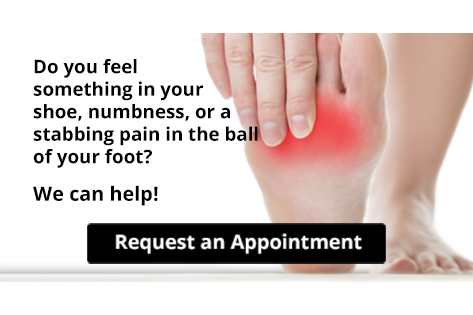
Suffering from this type of pain? You may have the foot condition known as Morton's neuroma. Morton's neuroma may develop as a result of ill-fitting footwear and existing foot deformities. We can help.
How to Care for Ingrown Toenail Removal
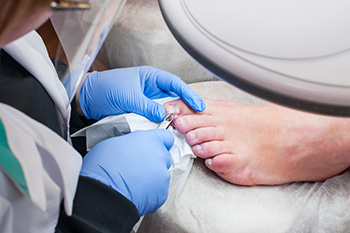
An ingrown toenail can cause pain, swelling, and even infection, if left untreated. The removal procedure is simple and typically performed in a podiatrist’s office. After numbing the area, the podiatrist will carefully remove the ingrown portion of the nail. In some cases, a small part of the nail matrix may be treated to prevent future problems. The procedure usually takes less than 30 minutes. Afterward, you can expect soreness for a day or two, which is easily managed with mild pain relievers. The podiatrist will provide detailed instructions on keeping the area clean and dry to avoid infection. Most patients return to normal activities within a day or two, wearing open-toed shoes for comfort. If you are struggling with an ingrown toenail, it is suggested that you contact a podiatrist for relief options.
Ingrown toenails may initially present themselves as a minor discomfort, but they may progress into an infection in the skin without proper treatment. For more information about ingrown toenails, contact one of our podiatrists of Bruening Foot & Ankle. Our doctors can provide the care you need to keep you pain-free and on your feet.
Ingrown Toenails
Ingrown toenails are caused when the corner or side of a toenail grows into the soft flesh surrounding it. They often result in redness, swelling, pain, and in some cases, infection. This condition typically affects the big toe and may recur if it is not treated properly.
Causes
- Improper toenail trimming
- Genetics
- Improper shoe fitting
- Injury from pedicures or nail picking
- Abnormal gait
- Poor hygiene
You are more likely to develop an ingrown toenail if you are obese, have diabetes, arthritis, or have any fungal infection in your nails. Additionally, people who have foot or toe deformities are at a higher risk of developing an ingrown toenail.
Symptoms
Some symptoms of ingrown toenails are redness, swelling, and pain. In rare cases, there may be a yellowish drainage coming from the nail.
Treatment
Ignoring an ingrown toenail can have serious complications. Infections of the nail border can progress to a deeper soft-tissue infection, which can then turn into a bone infection. You should always speak with your podiatrist if you suspect you have an ingrown toenail, especially if you have diabetes or poor circulation.
If you have any questions, please feel free to contact our offices located in Covina and Alta Loma, CA . We offer the newest diagnostic and treatment technologies for all your foot care needs.
