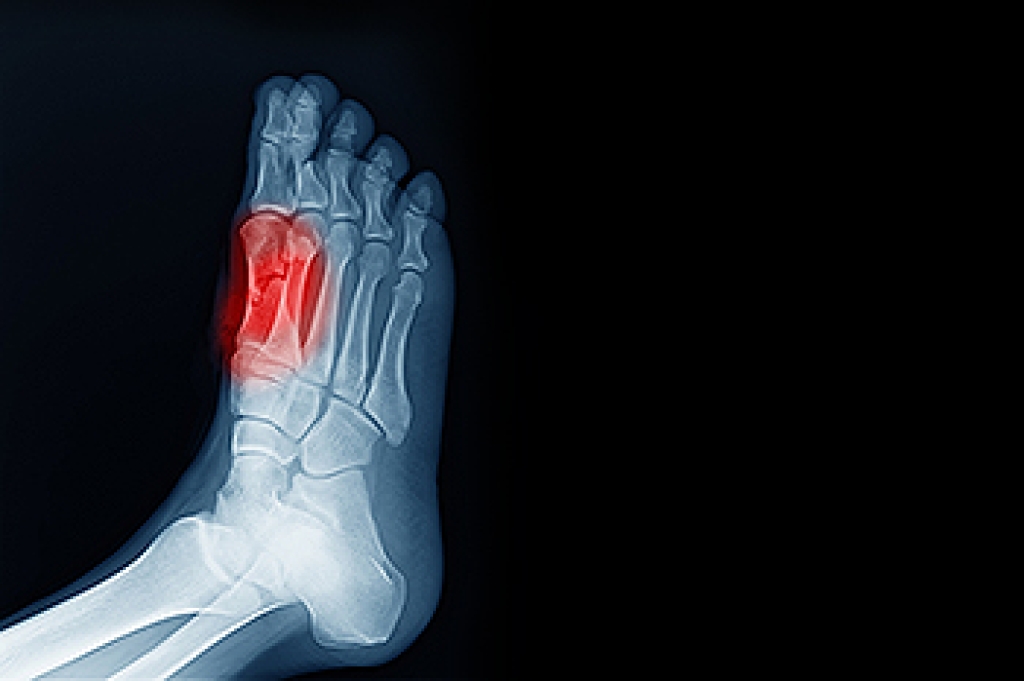
Causes and Treatment of Sesamoiditis

Sesamoiditis can make every step uncomfortable because it affects two small bones beneath the base of the big toe. These bones, called sesamoids, sit inside a tendon and help the foot absorb pressure while walking, running, and pushing off the ground. When the sesamoids become irritated or inflamed, pain develops under the ball of the foot near the big toe. The discomfort usually becomes worse while walking, especially when wearing thin-soled shoes or high heels. Mild swelling, warmth, or redness can also appear in the area. Sesamoiditis affects runners, dancers, and people with high arches. It also affects many people with bunions because changes in foot structure place extra pressure on the sesamoid bones.

A podiatrist begins by asking about symptoms and examining the foot. Gentle pressure on each sesamoid bone helps identify the exact source of pain. When swelling surrounds the big toe joint, additional testing helps rule out gout or an infection. If a fracture or changes in the position of the sesamoid bones are suspected, X-rays are commonly ordered. An MRI scan, which creates detailed images of bones and soft tissues, provides more information when X-rays do not give a clear answer. An accurate diagnosis allows the podiatrist to recommend the most effective treatment.

Treatment focuses on reducing pressure on the sesamoid bones and allowing the irritated area to recover. A podiatrist can recommend shoes with thick soles, custom orthotics, or offloading pads that shift pressure away from the painful area. When a fracture is present without the bones moving out of place, the foot can be protected with a rigid medical shoe while healing occurs. Surgery is considered only when other treatments do not relieve symptoms. Early care helps prevent ongoing pain and allows many patients to return to comfortable movement. If you have symptoms of sesamoiditis, it is suggested that you schedule an appointment with a podiatrist for diagnosis and appropriate treatment.

Sesamoiditis is an unpleasant foot condition characterized by pain in the balls of the feet. If you think you’re struggling with sesamoiditis, contact one of our podiatrists of Bruening Foot & Ankle. Our doctors will treat your condition thoroughly and effectively.

Sesamoiditis

Sesamoiditis is a condition of the foot that affects the ball of the foot. It is more common in younger people than it is in older people. It can also occur with people who have begun a new exercise program, since their bodies are adjusting to the new physical regimen. Pain may also be caused by the inflammation of tendons surrounding the bones. It is important to seek treatment in its early stages because if you ignore the pain, this condition can lead to more serious problems such as severe irritation and bone fractures.

Causes of Sesamoiditis

  • Sudden increase in activity
  • Increase in physically strenuous movement without a proper warm up or build up
  • Foot structure: those who have smaller, bonier feet or those with a high arch may be more susceptible

Treatment for sesamoiditis is non-invasive and simple. Doctors may recommend a strict rest period where the patient forgoes most physical activity. This will help give the patient time to heal their feet through limited activity. For serious cases, it is best to speak with your doctor to determine a treatment option that will help your specific needs.

If you have any questions, please feel free to contact our offices located in Covina and Alta Loma, CA . We offer the newest diagnostic and treatment technologies for all your foot care needs.
Read more about Sesamoiditis

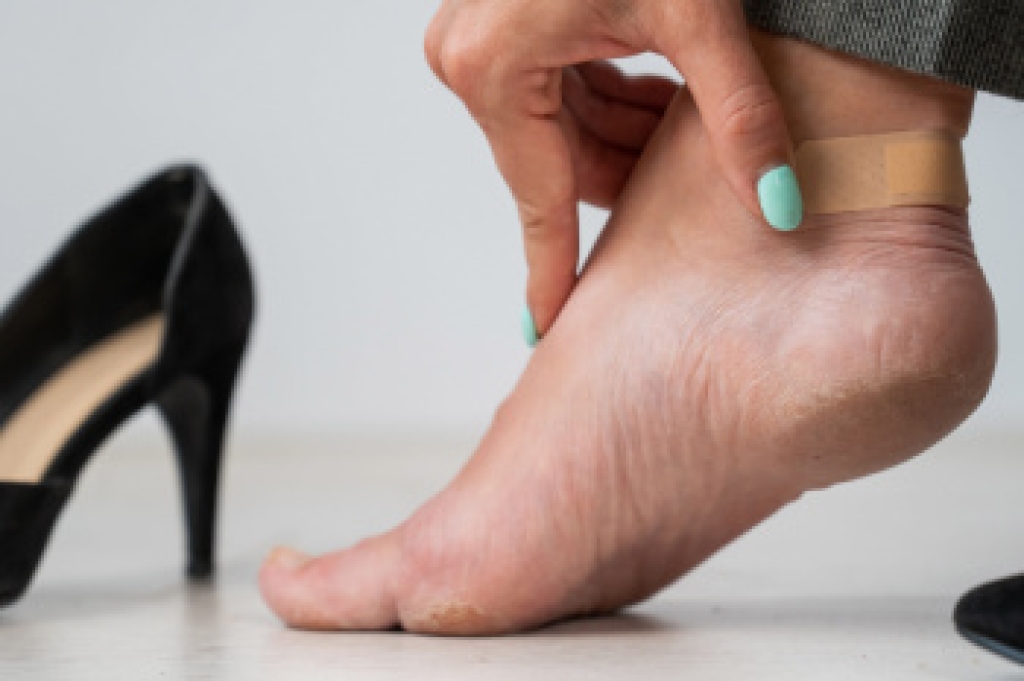
What Causes Foot Blisters and How a Podiatrist Can Help

Blisters are fluid-filled pockets that develop beneath the outer layer of skin after it becomes damaged or irritated. They frequently form on the feet because of repeated rubbing, pressure, or exposure to heat. The fluid inside a blister cushions the injured area and helps protect the skin while it heals. Blisters can make standing, wearing shoes, and walking painful. The skin around the blister can become tender, red, and swollen. Larger blisters sometimes make it difficult to move comfortably, especially when they develop on the heel, toes, or ball of the foot. Because other skin conditions can resemble blisters, a podiatrist can determine the exact cause and recommend the most appropriate treatment.

Repeated friction is one of the leading causes of foot blisters. Wearing shoes that do not fit properly or shoes that lack proper support can increase rubbing against the skin. Long periods of walking, running, or participating in sports also place extra stress on the feet. Burns, allergic reactions, and certain skin conditions can lead to blister formation as well. In some cases, blisters develop because of a medical condition that affects the skin. A podiatrist performs a careful examination to identify the reason for the blister and to determine whether an infection or another problem is present. This evaluation helps guide treatment and protects the surrounding skin from further damage.

Treatment depends on the size, location, and cause of the blister. A podiatrist can safely drain a painful blister when appropriate while protecting the healthy skin covering the area. Prescription medication is sometimes recommended when infection or inflammation is present. Patients with repeated blisters can benefit from custom orthotics that improve foot function and reduce pressure on sensitive areas. A podiatrist can also identify problems with foot structure that increase friction and recommend treatments that lower the chance of future blisters. If you have symptoms of blisters, it is suggested that you make an appointment with a podiatrist for diagnosis and treatment.

Blisters may appear as a single bubble or in a cluster. They can cause a lot of pain and may be filled with pus, blood, or watery serum. If your feet are hurting, contact one of our podiatrists of Bruening Foot & Ankle. Our doctors can provide the care you need to keep you pain-free and on your feet.

Foot Blisters

Foot blisters are often the result of friction. This happens due to the constant rubbing from shoes, which can lead to pain.

What Are Foot Blisters?

A foot blister is a small fluid-filled pocket that forms on the upper-most layer of the skin. Blisters are filled with clear fluid and can lead to blood drainage or pus if the area becomes infected.

Symptoms

(Blister symptoms may vary depending on what is causing them)

  • Bubble of skin filled with fluid
  • Redness
  • Moderate to severe pain
  • Itching

Prevention & Treatment

In order to prevent blisters, you should be sure to wear comfortable shoes with socks that cushion your feet and absorb sweat. Breaking a blister open may increase your chances of developing an infection. However, if your blister breaks, you should wash the area with soap and water immediately and then apply a bandage to the affected area. If your blisters cause severe pain it is important that you call your podiatrist right away.

If you have any questions, please feel free to contact our offices located in Covina and Alta Loma, CA . We offer the newest diagnostic and treatment technologies for all your foot care needs.
Read more about Blisters on the Feet

Reduce Flat Feet Discomfort With Custom Orthotics

Flat feet? Rise above the discomfort with Custom Orthotics. Specifically designed to support the arch and align the foot, Custom Orthotics can be a game-changer for those with flat feet. They help in distributing weight evenly, preventing undue stress and potential pain. Walk, run, or stand with newfound confidence, knowing your feet have the support they've been missing. Want to explore the benefits of Custom Orthotics tailored for flat feet? Contact us today!

What Causes a Broken Toe?

A broken toe is a common foot injury that occurs when one of the small bones in the toe becomes fractured due to excessive force or trauma. Although toes are small, they play an important role in balance and movement, making even a minor fracture disruptive to daily activities. This condition can affect anyone and is often underestimated, leading individuals to delay proper care. Understanding the causes and early signs is important for effective treatment and recovery.

The most common causes of a broken toe involve direct impact or sudden force. Dropping a heavy object such as furniture, tools, or equipment onto the foot can create enough pressure to fracture the bone. Forcefully stubbing the toe against a hard surface is another leading cause, especially when the impact is unexpected. Sports-related injuries, especially those involving quick stops or collisions, can also result in toe fractures. Individuals who walk barefoot or wear thin, poorly fitting shoes may have less protection and face a higher risk of injury.

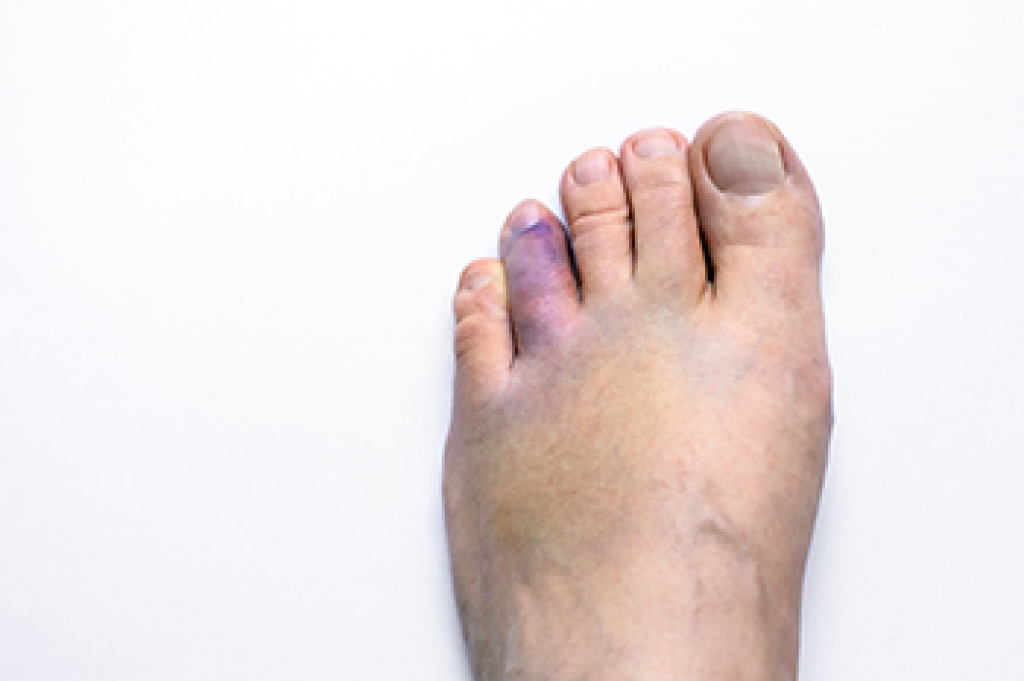
Symptoms of a broken toe usually develop immediately after the injury. Sharp pain, swelling, and bruising are common, along with tenderness when touching the area. The toe may appear stiff, and in more severe cases, it can look misaligned or deformed. Walking may become painful, and placing weight on the foot can be difficult. Without proper care, a fractured toe may heal incorrectly, leading to long-term discomfort or joint problems.

Risk factors include participation in high-impact activities, inadequate footwear, and reduced bone strength. Older adults and individuals with underlying bone conditions may be more susceptible to fractures. Early evaluation and appropriate treatment can support proper healing and reduce complications. If you have toe pain or suspect a fracture, it is suggested that you consult a podiatrist for effective relief and treatment solutions.

A broken toe can be very painful and lead to complications if not properly fixed. If you have any concerns about your feet, contact one of our podiatrists from Bruening Foot & Ankle. Our doctors will treat your foot and ankle needs.

What to Know About a Broken Toe

Although most people try to avoid foot trauma such as banging, stubbing, or dropping heavy objects on their feet, the unfortunate fact is that it is a common occurrence. Given the fact that toes are positioned in front of the feet, they typically sustain the brunt of such trauma. When trauma occurs to a toe, the result can be a painful break (fracture).

Symptoms of a Broken Toe

  • Throbbing pain
  • Swelling
  • Bruising on the skin and toenail
  • The inability to move the toe
  • Toe appears crooked or disfigured
  • Tingling or numbness in the toe

Generally, it is best to stay off of the injured toe with the affected foot elevated.

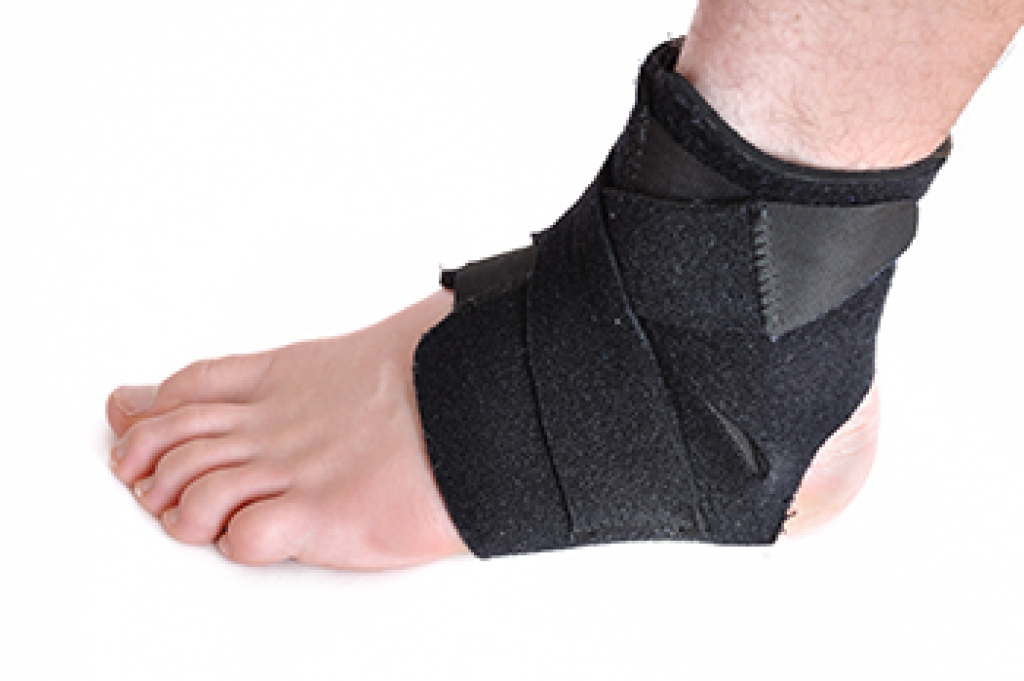
Severe toe fractures may be treated with a splint, cast, and in some cases, minor surgery. Due to its position and the pressure it endures with daily activity, future complications can occur if the big toe is not properly treated.

If you have any questions, please feel free to contact our offices located in Covina and Alta Loma, CA . We offer the newest diagnostic and treatment technologies for all your foot care needs.
Read more about What to Know About a Broken Toe

Improving Walking with Ankle-Foot Orthotics

Walking difficulties can develop when the muscles, joints, or nerves in the lower limb do not work together properly, leading to instability or uneven movement. An ankle-foot orthosis, often called an AFO, is a supportive brace that helps control motion at the ankle and foot while improving overall walking pattern. These devices are commonly used for nerve injury, muscle weakness, foot drop, and certain neurological disorders. By stabilizing the lower limb, an AFO can improve balance, enhance safety, and reduce strain during movement. This support allows for more efficient steps and greater confidence with daily activities. A podiatrist can assess gait, determine the need for an AFO, and ensure proper fit and function. With expert care, walking ability can improve significantly. If you have certain foot disorders, it is suggested that you consult a podiatrist who can determine what type of foot orthotic is right for you.

Our feet carry us through every part of life, absorbing the impact of thousands of steps each day. When they are not properly supported, the effects can extend far beyond the feet themselves. Custom orthotics provide the foundation the body needs by aligning, cushioning, and stabilizing each foot in its most natural position. They are carefully crafted to match the unique structure of each individual’s feet, allowing them to move efficiently and comfortably while reducing stress on the muscles, joints, and ligaments.

Proper foot support is essential for maintaining balance and preventing fatigue. Without it, the body compensates by shifting weight unevenly, which can lead to discomfort in the ankles, knees, hips, or lower back. Custom orthotics help restore this balance by redistributing pressure and promoting a more natural walking pattern. They not only ease existing pain but also protect against future strain or injury by supporting the arches and controlling excessive motion.

Unlike store-bought insoles, custom orthotics are created through detailed assessment and advanced technology to provide precise correction and comfort. They fit seamlessly into most shoes, making them ideal for daily wear, work, or sports.

If your feet feel tired, sore, or unsupported, it is recommended that you contact our office for more information, or to make an appointment.

If you have any questions please contact our offices located in Covina and Alta Loma, CA

Read more about Investing in Custom Orthotics Means Investing in Foot Health
scroll to top