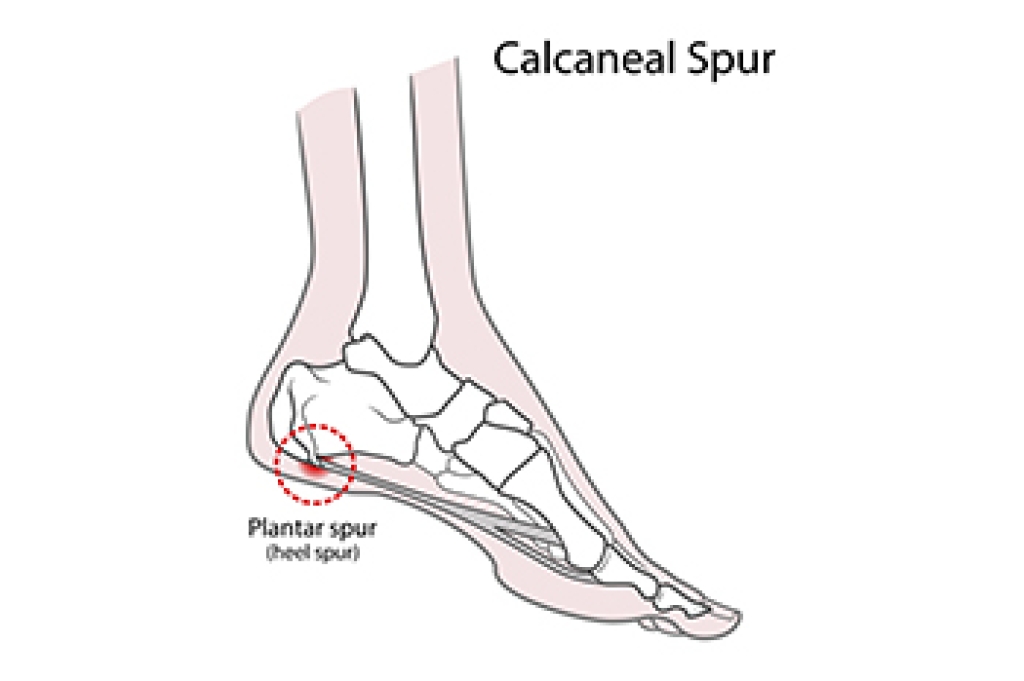
When a Sharp Pain Develops in the Heel

Heel spurs are bony growths that form on the underside of the heel bone, often developing gradually due to repeated stress on the foot. They are commonly caused by plantar fasciitis, high impact activities, wearing poor footwear, or excess weight that places pressure on the heel. Symptoms may include sharp or aching pain in the heel, especially with the first steps in the morning or after periods of rest. The heel may look normal from the outside, although tenderness or swelling can be present, and the pain can feel like a stabbing or deep ache when standing or walking. A podiatrist can help by starting with a careful examination and imaging when needed, to confirm the presence of a heel spur and identify contributing factors. Treatment often begins with shoe modifications, custom orthotics, targeted exercises to reduce stress, and anti-inflammatory care. If you have heel spurs, it is suggested that you schedule an appointment with a podiatrist for effective relief and management tips.

Heel spurs can be incredibly painful and sometimes may make you unable to participate in physical activities. To get medical care for your heel spurs, contact one of our podiatrists from Bruening Foot & Ankle. Our doctors will do everything possible to treat your condition.

Heels Spurs

Heel spurs are formed by calcium deposits on the back of the foot where the heel is. This can also be caused by small fragments of bone breaking off one section of the foot, attaching onto the back of the foot. Heel spurs can also be bone growth on the back of the foot and may grow in the direction of the arch of the foot.

Older individuals usually suffer from heel spurs and pain sometimes intensifies with age. One of the main condition's spurs are related to is plantar fasciitis.

Pain

The pain associated with spurs is often because of weight placed on the feet. When someone is walking, their entire weight is concentrated on the feet. Bone spurs then have the tendency to affect other bones and tissues around the foot. As the pain continues, the feet will become tender and sensitive over time.

Treatments

There are many ways to treat heel spurs. If one is suffering from heel spurs in conjunction with pain, there are several methods for healing. Medication, surgery, and herbal care are some options.

If you have any questions, please feel free to contact our offices located in Covina and Alta Loma, CA . We offer the newest diagnostic and treatment technologies for all your foot care needs.

Read more about How to Treat Heel Spurs

Top 5 Benefits of Custom Orthotics

Discover the long-term benefits of orthotics! Tailored to your unique foot structure, Custom Orthotics ensure every step radiates comfort and helps reduce foot and heel pain. Beyond comfort, they enhance your posture, allowing you to stand taller and walk with confidence. Whether you're casually strolling or actively running, they can elevate your performance. Call our office today and see if Custom Orthotics are right for you.

Important Factors for Choosing Running Shoes

Picking the right running shoes is essential for comfort, injury prevention, and performance. The outsole is the bottom layer of the shoe, and provides traction durability and grip on different surfaces. The midsole sits above the outsole and offers cushioning, shock absorption, and stability during each step. Some running shoes include a carbon plate which adds propulsion energy return and efficiency for faster running. The tread pattern affects how the shoe grips the ground and can influence control on roads, trails, or tracks. Choosing the right combination of factors depends on foot type, gait, and running goals. A podiatrist can help by evaluating foot structure, movement patterns, and training needs to recommend proper footwear or custom inserts. If you have foot pain from running shoes, it is suggested that you consult a podiatrist who can treat various foot conditions, and guide you on the right shoes to wear for your running style.

You should always make sure your running shoes fit properly in order to avoid injury. For more information, contact one of our podiatrists from Bruening Foot & Ankle. Our doctors can provide the care you need to keep you pain-free and on your feet.

Choosing the Right Running Shoe for Your Foot Type

Improper shoe sizing can cause a myriad of problems for your feet. Shoes that don’t fit you properly can lead to muscular imbalances in your body, which can result in foot, knee, and hip injuries.

Tips for Finding the Right Running Shoe

  • Make sure you have a thumb’s width of wiggle room between the end of your longest toe and the front of the shoe.
  • There should be little to no slipping at the heel
  • Don’t assume your size in one shoe brand will be your size in another
  • Do not lace up your shoes too tightly
  • Walk around in the store with your new shoes before you buy them

If you have any questions, please feel free to contact our offices located in Covina and Alta Loma, CA . We offer the newest diagnostic and treatment technologies for all your foot care needs.

Read more about Walking Shoes vs. Running Shoes

Post Operative Orthotics and Recovery Support

Post operative orthotics are often worn after foot or ankle surgery to support healing and restore proper movement. These devices help control alignment, reduce stress on surgical sites, and protect healing tissues during daily activities. One of the key benefits is restoring lower extremity biomechanics, allowing the foot, ankle, knee, and hip to function together more efficiently. Proper support can improve balance, reduce pain, and lower the risk of compensatory injuries during recovery. A podiatrist plays an important role by determining the right timing for orthotic use, customizing the device to the patient's needs, and monitoring progress as healing continues. If you are recovering from foot or ankle surgery or experiencing difficulty with walking after a procedure, it is suggested that you schedule a podiatry consultation to learn how post operative orthotics can be a part of your recovery. 

Custom orthotics are specialized shoe inserts created to support and align the feet according to each person’s unique structure and walking pattern. They are an effective way to relieve foot discomfort caused by conditions such as flat feet, high arches, plantar fasciitis, bunions, and heel pain. When the natural alignment of the foot is off balance, it can lead to pressure points, strain, and pain that affect how a person stands, walks, and moves. Orthotics work by redistributing weight evenly and supporting the arch to reduce stress on the muscles, tendons, and joints of the feet and lower legs.

Foot discomfort can develop for many reasons, including wearing improper footwear, long hours of standing, repetitive motion, or underlying structural problems. Over time, this discomfort can extend beyond the feet, contributing to knee, hip, or lower back pain. Custom orthotics help correct these issues by improving alignment and promoting more efficient movement. They are made using precise measurements and imaging to ensure the best fit for each patient, providing targeted support and cushioning where it is needed most.

Unlike generic insoles, custom orthotics are durable, medically designed, and tailored to your specific needs. Whether you are managing chronic pain, recovering from an injury, or simply seeking better comfort and stability, orthotics can make a noticeable difference in how your feet feel throughout the day.

If you are experiencing persistent foot discomfort or fatigue, it may be time to have your feet evaluated by a podiatrist. Call our office today for more information or to schedule an appointment.

If you have any questions, please feel free to contact our offices located in Covina and Alta Loma, CA

Read more about Sole Marketing Foot Pain

Cracked Heels and the Importance of Podiatric Foot Care

Cracked heels are a condition where the skin along the heel becomes dry, thick, and split, often causing discomfort or pain. Common causes include vitamin deficiencies, chronic dry skin, mechanical stress from standing or walking, and frequent barefoot walking. Medical conditions such as diabetes can increase the risk due to reduced skin healing and circulation. Symptoms may include rough skin, visible fissures, tenderness, and, in severe cases, bleeding. Risk factors also include obesity, poor footwear support, and certain skin disorders. A podiatrist can assess the severity of cracked heels, provide safe debridement, recommend therapeutic moisturizers, and address underlying causes. If you have developed cracked heels, it is suggested that you consult a podiatrist who can offer effective relief and treatment solutions, which may include prescribed medication.

If the skin on your feet starts to crack, you may want to see a podiatrist to find treatment. If you have any concerns, contact one of our podiatrists from Bruening Foot & Ankle. Our doctors can provide the care you need to keep you pain-free and on your feet.

Cracked Heels

It is important to moisturize your cracked heels in order to prevent pain, bleeding, and infection. The reason cracked heels form is because the skin on the foot is too dry to support the immense pressure placed on them. When the foot expands, the dry skin on the foot begins to split.

Ways to Help Heal Them

  • Invest in a good foot cream
  • Try Using Petroleum Jelly
  • Ease up on Soaps
  • Drink Plenty of Water

Ways to Prevent Cracked Heels

  • Moisturize After Showering
  • Skip a Shower
  • Keep Shower Water Lukewarm
  • Don’t Scrub Your Feet

If you are unsure how to proceed in treating cracked heels, seek guidance from a podiatrist. Your doctor will help you with any questions or information you may need. 

If you have any questions, please feel free to contact our offices located in Covina and Alta Loma, CA . We offer the newest diagnostic and treatment technologies for all your foot care needs.

Read more about Solutions for Cracked Heels
scroll to top